


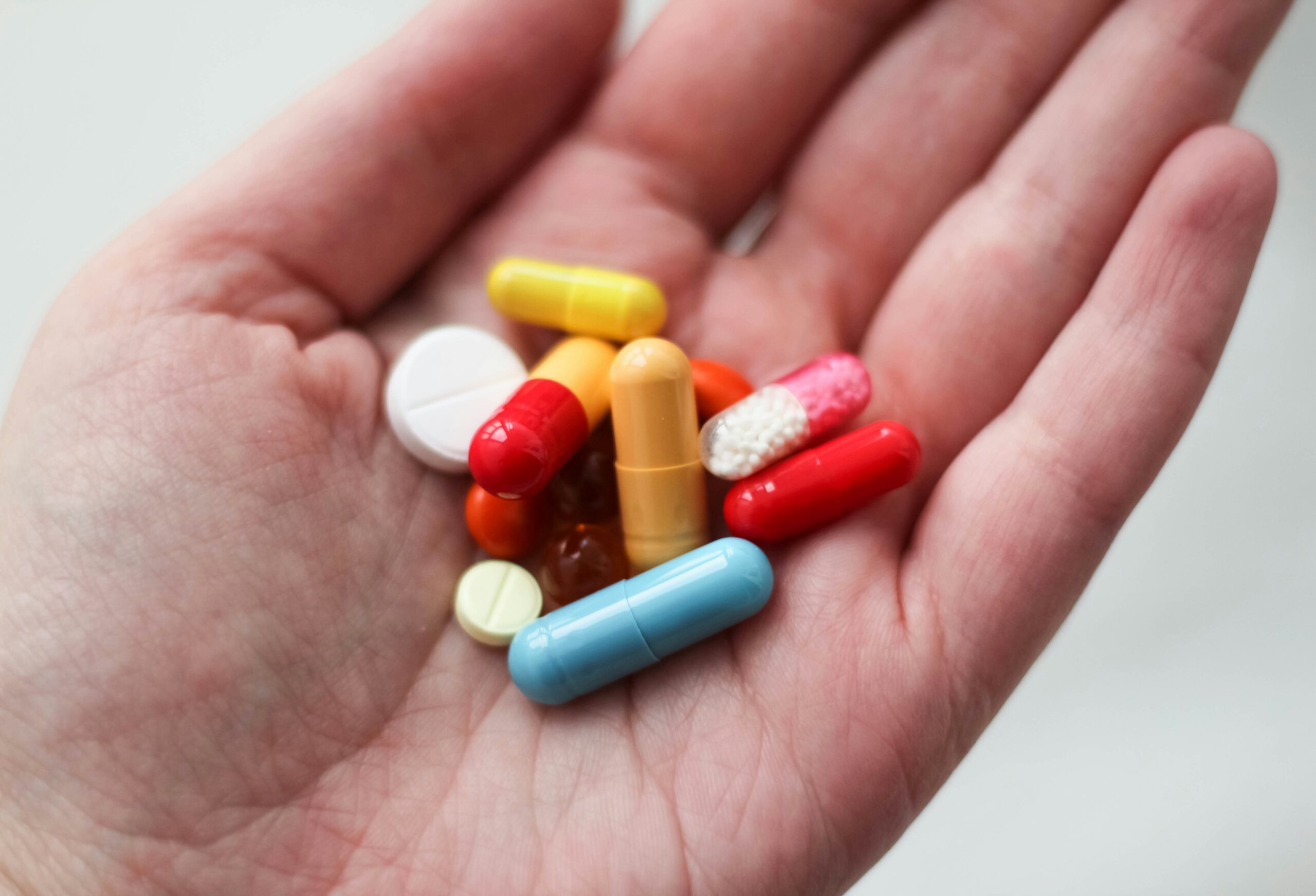
Greece ranks first in antibiotic use across Europe, prompting strong warnings from the scientific community. In an effort to prevent excessive and inappropriate consumption, as of September 1, 2020, antibiotics can only be dispensed by pharmacies in Greece with an electronic prescription.
This measure aims to safeguard public health by promoting the responsible use of antibiotics and combating the growing threat of antimicrobial resistance.
« If someone goes beyond moderation, even the most pleasant things can turn into the most unpleasant.
Ancient Greek
— A reminder that balance and responsible choices are key to protecting our health. »
When Is the Use of Antibiotics Necessary?
Antibiotics are medications capable of killing bacteria or inhibiting their growth, and in doing so, they treat diseases and infections caused by these types of microorganisms.
Bacteria are harmful agents that can enter the body through mucous membranes or breaches in the skin barrier, leading to infections such as abscesses, urinary tract infections, pneumonia, and more.
Antibiotics are essential in treating bacterial infections, but they are ineffective against viruses like those causing the common cold or flu. Using them only when truly needed—and always under medical guidance—is key to protecting your health and preventing antibiotic resistance.
When Is the Use of Antibiotics Unnecessary?
Most colds and cases of the flu are not caused by bacteria, but by viruses. Therefore, the use of antibiotics in such cases is unnecessary, as they do not alleviate the symptoms or speed up recovery. The same applies to COVID-19 — antibiotics cannot treat the virus itself, although they may be needed if a patient develops secondary bacterial infections.
Taking antibiotics when they are not required contributes to antibiotic resistance, without offering any health benefits.
What Is Antibiotic Resistance and How Does It Occur?
Antibiotic resistance is a natural biological process that results from natural selection. When a population of microorganisms is exposed to an antibiotic, those that are resistant survive and multiply, gradually becoming dominant.
Resistance is accelerated when antibiotics are misused — for example:
- Taking them for conditions they can’t treat (like viral infections),
- Not completing the prescribed course,
- Skipping doses or taking them irregularly.
In such cases, certain bacteria « grow stronger » and the antibiotics that once killed them become ineffective.
A Shared Responsibility
Preserving the effectiveness of antibiotics is a shared responsibility. Responsible use helps suppress the rise of resistant bacteria and ensures these life-saving medications remain effective for future generations.
To conclude:
Antibiotics should only be taken under a doctor’s guidance and always used with consistency and responsibility.
Laisser un commentaire